Thinking about a new home in Ankeny? With active building, fresh phases, and changing incentives, it can be hard to compare lots, timelines, and finish levels with confidence. You want a smart plan that fits your budget and move date, not a maze of builder jargon and surprises at closing. In this guide, you will learn how Ankeny’s new construction market works, what to check before you tour, and how to match neighborhoods, builders, and incentives to your goals. Let’s dive in.
How to verify Ankeny new build data
Before you choose a lot or sign a contract, confirm the local picture. New construction shifts quickly, and the details in Ankeny can change month to month.
- Check building permits and approved plats with the City of Ankeny to gauge the pipeline and where new phases are opening.
- Review active new construction listings and spec homes in the Central Iowa MLS to understand supply and pricing relative to resale.
- Compare median sale price and days on market for new builds versus resale to see where demand is trending.
- Look up parcel and lot dimensions through the Polk County Assessor when evaluating lot sizes and setbacks.
- Ask builder sales offices about current incentives, standard specifications, and any design center allowances.
Tip: Verify timeline estimates and incentives directly with local builders and lenders. Programs such as rate buydowns can change weekly.
Neighborhood types and lot patterns in Ankeny
Ankeny offers a range of neighborhood formats that fit different budgets and lifestyles. Your best fit depends on location preferences, lot size, and how much customization you want.
Infill and established subdivisions
These areas are closer to older parts of the city with quick access to everyday amenities. You often see smaller lots and narrower single-family homes or townhomes. If you want convenience and a shorter commute to central services, this is a good place to look.
Master-planned communities
Larger developments typically include trails, ponds, and playgrounds, and roll out in phases. You will find a mix of standard single-family lots, narrow-lot products, and occasional larger estate options. Lot premiums can apply for corner lots, water views, and backing to open space.
Semi-rural and edge-of-city areas
These tend to offer larger lots and more custom or semi-custom options. Timelines may be longer due to utility extensions, and site work can be more involved. If you want elbow room and flexibility on design, start here.
Typical lot sizes and build features
- Narrow or urban lots: about 3,000–6,000 square feet, often used for narrow-lot single-family or townhomes.
- Standard suburban lots: about 6,000–12,000 square feet, common across new phases.
- Estate lots: roughly 0.3–1 acre or more on the edges or in specialty pockets.
- Basements are common in Ankeny, while slab builds show up more on smaller or low-grade sites. Confirm via the listing or spec sheet.
Site details matter. Orientation to planned amenities, drainage or swale locations, and future road connections can affect daily life and resale. Ask for grading plans and clarify any retaining wall or walkout costs.
Builders and product types
You will encounter three broad builder categories in Ankeny, each with different timelines and flexibility.
National and regional builders
These builders offer standardized plans, predictable base specifications, and centralized design centers. Build times can be faster, and incentives are often published and consistent. Plan changes may be limited.
Local and custom builders
Local and custom teams provide more flexibility on plan modifications and lot selection. Expect longer lead times and more variability in cost per square foot. You will get more say in finishes and layout if you want a specific design.
Spec, semi-custom, and custom
- Spec or inventory homes: Built ahead of contract. Best for quick possession and fewer timing risks. Customization is limited to items not yet installed.
- Semi-custom: You choose from a menu of options and finish packages within allowances. Good balance of choice and schedule.
- Fully custom: From design to interior selections, you drive the plan. Expect the most variability in cost and timeline.
What finish levels look like
Base or builder standard
- Practical cabinetry and counters, sometimes laminate or standard-grade quartz or granite depending on builder
- Vinyl plank or carpet in most living areas, ceramic in baths
- Standard light and plumbing fixtures
- Appliance package may be included or optional
- Painted drywall, standard trim and doors, unfinished garage
- Landscaping may be seed, with sod as an upgrade
Mid-level
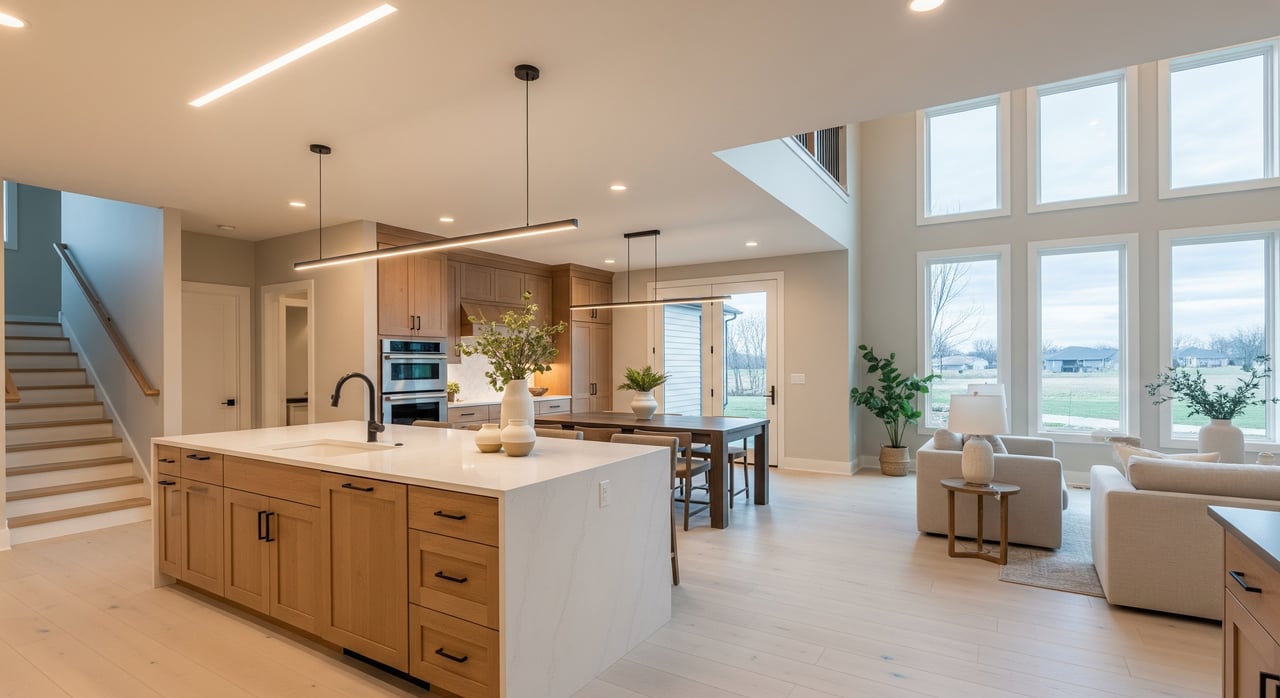
- Upgraded cabinetry with soft-close, quartz or granite counters, and enhanced flooring through main areas
- Stainless appliance package typically included
- Tile backsplashes, upgraded fixtures, and optional larger tubs or frameless showers
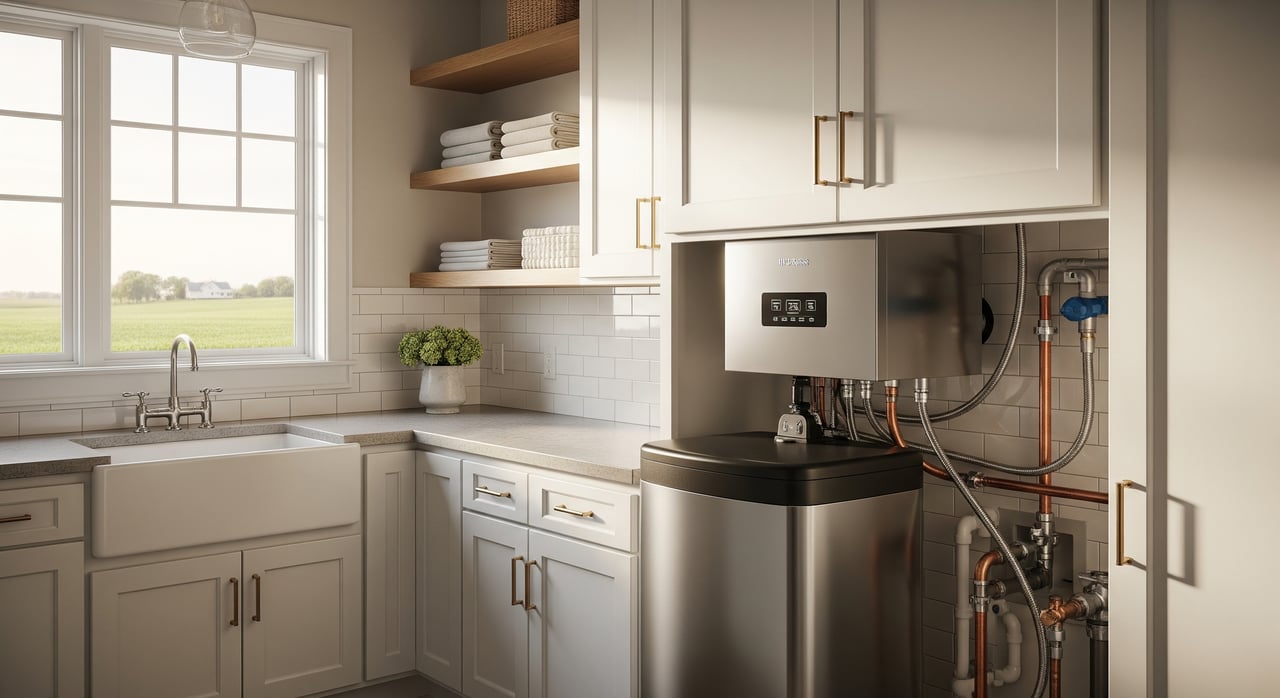
- Occasional basement finishes or mechanical upgrades
Upgraded or premium
- Custom cabinetry, stone counters, high-end appliances
- Engineered hardwood, premium lighting, built-ins and extensive millwork
- Irrigation, broader landscaping packages, and higher-end exterior materials
Warranty expectations
Most builders offer a 1-year workmanship warranty, a 2-year systems warranty, and a 10-year structural warranty, often through a third-party provider. Read the warranty to learn how to submit claims and what is covered.
Timelines, inventory, and incentives
New build timelines vary by builder, weather, and materials. Ask for a detailed schedule with key milestones.
- Spec or inventory homes: Usually 30 to 120 days to close, depending on build stage.
- Lot plus plan with a production builder: Typically 4 to 9 months from contract to possession.
- Semi-custom or full custom: Often 6 to 12 months or longer.
Common delay factors include inspections, weather in spring and fall, subcontractor availability, and supply chain issues for items like windows and appliances. Change orders can also extend timelines.
How inventory shapes your leverage
When spec inventory is low, you may face longer lead times and fewer incentives. When inventory builds, you may see more credits, faster closings on finished homes, or promotions on selected lots. Always compare active new construction listings against recent closings to judge momentum.
Incentives to watch
- Interest rate buydowns for 1 to 3 years, paid by the builder as a concession
- Closing cost contributions or lender credits
- Design center credits and selections upgrades
- Appliance packages, window coverings, landscaping credits, or free structural options
- Reduced lot premiums on selected lots or phases
Note: Incentive structures depend on your loan type and lender rules. Some programs have limits for FHA or VA financing.
How to pick the right lot in Ankeny
Choosing the right lot can improve day-to-day living and long-term value.
- Prioritize proximity to parks, trails, and planned infrastructure.
- Review drainage and swale locations and confirm if the lot needs extra grading or a retaining wall.
- Understand walkout, daylight, or flat lot options and the premium for each.
- Ask about future road connections or nearby phases that may change traffic patterns.
Pro tip: Request the plat map, grading plan, and a list of lot premiums before you make an offer.
Budget planning and hidden costs
A clear budget protects you from surprises at the finish line. Beyond the base price, ask for a complete list of inclusions and allowances.
- Lot premiums for views, corner locations, and walkouts
- Landscaping, irrigation, and driveway details if not fully included
- Utility hook-up fees or assessments
- Window coverings, upgraded lighting, and appliance surcharges
- Upgrades chosen beyond design allowances
- Higher property taxes after reappraisal
Financing for new construction
Financing varies with your build path and incentives.
- Construction-to-permanent loans can fit custom builds and longer timelines.
- Many production builders encourage a preferred lender. This may unlock rate buydowns or closing credits.
- Standard conventional mortgages are common for spec homes and near-finished builds.
Get preapproved early. Confirm how builder credits and buydowns are applied, and ask for sample monthly payment scenarios from a local lender.
Contract and inspection checklist
Before you sign, confirm each of these items in writing and attach the builder’s specifications to your contract.
- Full list of included materials and finishes, plus design allowances and how overages are billed
- Lot description, lot premium, and responsibilities for grading and site work
- Warranty terms, claim process, and who handles post-occupancy punch-list items
- Closing timeline, estimated possession date, and remedies for delays
- Change order process, pricing rules, and how changes affect closing
- Financing contingency details, especially when incentives require preferred lending
- HOA covenants, fees, and maintenance responsibilities
- Inspection rights, including pre-drywall and pre-closing, plus a final walk-through checklist
Seasonal strategy for Ankeny buyers
Spring and summer see the most activity with more phases opening and higher model home traffic. Builders may be less flexible on pricing when demand is strong. In fall and winter, you may see quicker incentives on inventory homes and faster access to lots for next-season starts. Weather can slow construction, so leave buffer time if you plan a cold-season build.
Which path fits your goals
Here are simple scenarios to help you decide.
- You need to move in soon: Target spec or near-finished inventory homes. Focus on stage of construction, closing flexibility, and any rate buydown offers.
- You want design control without an open-ended timeline: Consider semi-custom with a production builder. Work within allowances and watch change orders.
- You want a unique floor plan and premium finishes: Go custom with a clear budget and timeline plan. Add contingency time for design, selections, and inspections.
What to do next
- Check current spec inventory and permit activity so you know whether incentives are likely.
- Request the builder’s spec sheet, warranty, and a list of standard inclusions and allowances.
- Verify lot dimensions and site details with the plat and assessor data.
- Speak with a local lender about loan options and rate buydown scenarios.
If you want a construction-smart partner who will review specs, walk lots, and negotiate a fair deal, reach out to Jason Jennings Real Estate. Schedule a free consultation and get a clear plan for your Ankeny new build.
FAQs
What is the typical build timeline for a new home in Ankeny?
- Most production builds run 4 to 9 months from contract to possession, with custom homes often taking 6 to 12 months or more. Spec homes can be ready in 30 to 120 days.
How do spec homes compare to building from scratch in Ankeny?
- Spec homes offer faster move-ins and less timeline risk, while building from scratch gives you more customization but adds time and potential for delays and change order costs.
Are basements common in Ankeny new construction?
- Yes, basements are common across many neighborhoods, while slab foundations appear more on smaller lots or sites with low grade. Always confirm on the spec sheet.
What incentives do Ankeny builders offer?
- Common incentives include rate buydowns, closing cost credits, design center allowances, appliance packages, and reduced lot premiums on selected lots or phases.
What hidden costs should I plan for with a new build?
- Plan for lot premiums, landscaping and irrigation, utility or assessment fees, window coverings, upgrade overages beyond allowances, and higher property taxes after reappraisal.
Which local sources should I use to verify Ankeny new build data?
- Check the City of Ankeny for permits and plats, the Central Iowa MLS for active and sold new construction, the Polk County Assessor for lot dimensions, and local builders and lenders for current incentives and financing options.